
Why the number on the scale doesn’t tell the full story about your health.
For many people, the scale or weight, has become the ultimate judge of success when it comes to health and fitness. We weigh ourselves weekly, sometimes even daily, and attach a huge amount of emotion to that number.
When the scale goes down, we feel successful.
And when it stays the same, or worse, goes up, we feel frustrated, disappointed, or like we’ve failed.
But here’s the truth:
Your worth and your progress are not defined by the number on the scale.
In fact, body weight alone is often a poor indicator of whether your health and fitness are actually improving. That’s why I encourage clients to focus on several other measurements that give a far more accurate picture of what’s really happening inside your body.
So, in this article, I’ll walk you through four key things that are far better to track than your weight, and why they matter for long‑term health, strength, and confidence.
Why the Weight On The Scale Can Be So Misleading.
The scale doesn’t tell you:
- Whether you’re losing fat or gaining muscle
- Whether your health markers are improving
- Whether your body is functioning better day to day
Someone can lose inches, get stronger, sleep better, and dramatically improve their health—while the scale barely changes.
That’s because weight is an outcome, not a behaviour or a health metric on its own.
Unless you’re a competitive athlete in a weight‑class sport (where weight directly affects your livelihood), your scale weight should never be the main measure of success.
So what should you focus on instead?
1. Waist (and Neck) Circumference, not Weight - Is A Key Health Marker
One of the most important measurements to track for overall health is waist circumference.
Why? Because it’s one of the best simple indicators we have of visceral fat.
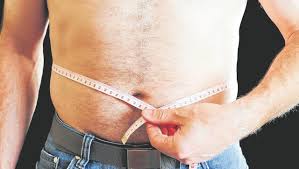
What is visceral fat?
Visceral fat is the deep fat stored around your internal organs, such as your liver, pancreas, stomach, and kidneys. Unlike the fat you can pinch under your skin, visceral fat behaves differently:
- It contributes to chronic inflammation
- It disrupts hormones
- It’s strongly linked to conditions such as:
- Type 2 diabetes
- Heart disease
- Stroke
- High blood pressure
- Certain cancers
This is why someone can look “not that overweight” but still be at high risk of serious health issues.
Healthy waist measurements
- Men
- Increased risk: above ~37 inches
- Substantially increased risk: above ~40 inches
- Women
- Increased risk: above ~31.5 inches
- Substantially increased risk: above ~35 inches
Tracking your waist over time gives a much clearer picture of whether your health is improving than tracking weight alone. Much more than just tracking your weight along does.
2. Strength Gains – Are You Getting Stronger?
Strength is one of the best indicators of positive physical change.
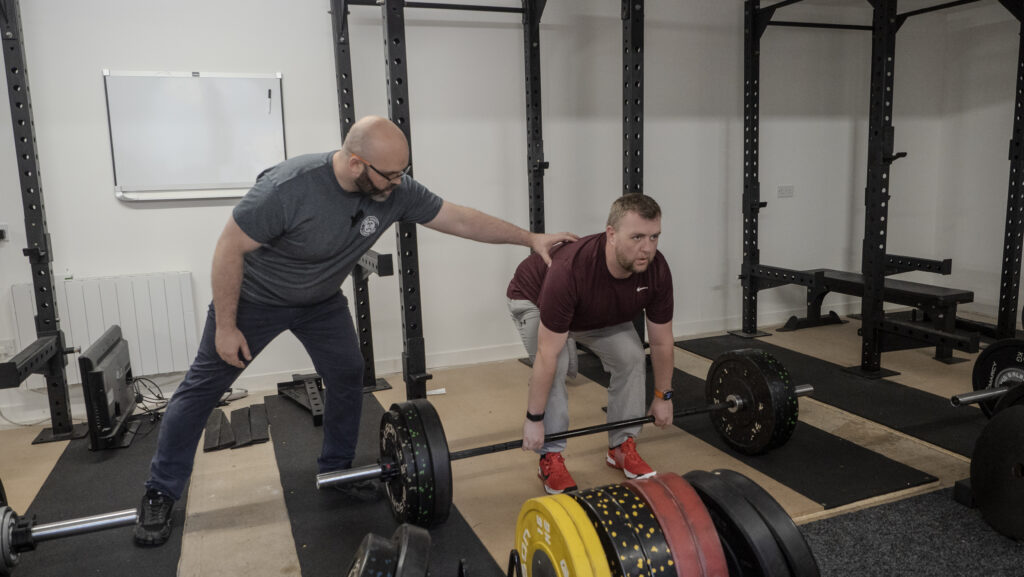
If:
- You’re getting stronger in key lifts
- Your waist measurement is staying the same or decreasing
…then you’re very likely losing fat and building muscle at the same time.
This is especially common if:
- You’re newer to strength training
- You carry higher levels of body fat
Key movements to track include:
- Squats
- Deadlifts
- Presses
- Bench press
- Chin‑ups or pull‑ups
Strength improvements show that your body is adapting, becoming more resilient, and functioning better—not just lighter.
3. Sleep Quality – A Powerful but Overlooked Indicator in Good Weight Management
Sleep is often underestimated, but it’s one of the strongest indicators that your training, nutrition, and recovery are in balance.
If you’re consistently getting:

- 7–8 hours of unbroken sleep
- Waking up feeling reasonably refreshed
…that’s a great sign you’re in what I call the “Goldilocks zone”, not training too hard, not undereating, and recovering properly.
Poor sleep can be a red flag that:
- You’re training too aggressively
- You’re under‑fuelled
- Your stress hormones (like cortisol) are chronically elevated
In short: progress should improve your sleep, not ruin it.
4. Body Fat Percentage – Tracking Trends, Not Perfection
Body fat percentage helps add context to everything else you’re measuring.
There are several ways to track it:
- Bio‑impedance scales (least accurate, but useful for trends)
- Skinfold caliper assessments (a good balance of accuracy and practicality)
- DEXA scans (very accurate, but expensive)
You don’t need perfect accuracy—what matters most is seeing direction over time.
When body fat percentage goes down while strength and sleep improve, you’re moving in the right direction—regardless of what the scale says.
A Better Way to Measure Progress
When you track:
- Waist circumference
- Strength levels
- Sleep quality
- Body fat percentage
(with weight as a secondary metric)
You get a clear, honest picture of your health and fitness progress—and the confidence to stop letting the scale dictate how you feel about yourself.
Worried about your weight? Book Your Free 30‑Minute Health MOT
If you’d like help measuring and understanding these markers properly, I offer a Free 30‑Minute Health MOT at Mauchline Barbell Club.
During your Health MOT, we’ll:
- Take key measurements (waist, body composition, strength indicators)
- Identify what’s currently helping—or holding back—your progress
- Give you clear, practical next steps for improving your health
No pressure. No sales tactics. Just clear information and professional guidance.
👉 Book your Free 30‑Minute Health MOT on the Calendar below

Taking the right measurements changes the way you see progress—and often, it’s the turning point where real results finally start to feel sustainable.



0 Comments